
Photo : Bilal Detailz — CC BY-SA 4.0, Wikimedia Commons
Cairo · Citadel
Citadel of Saladin
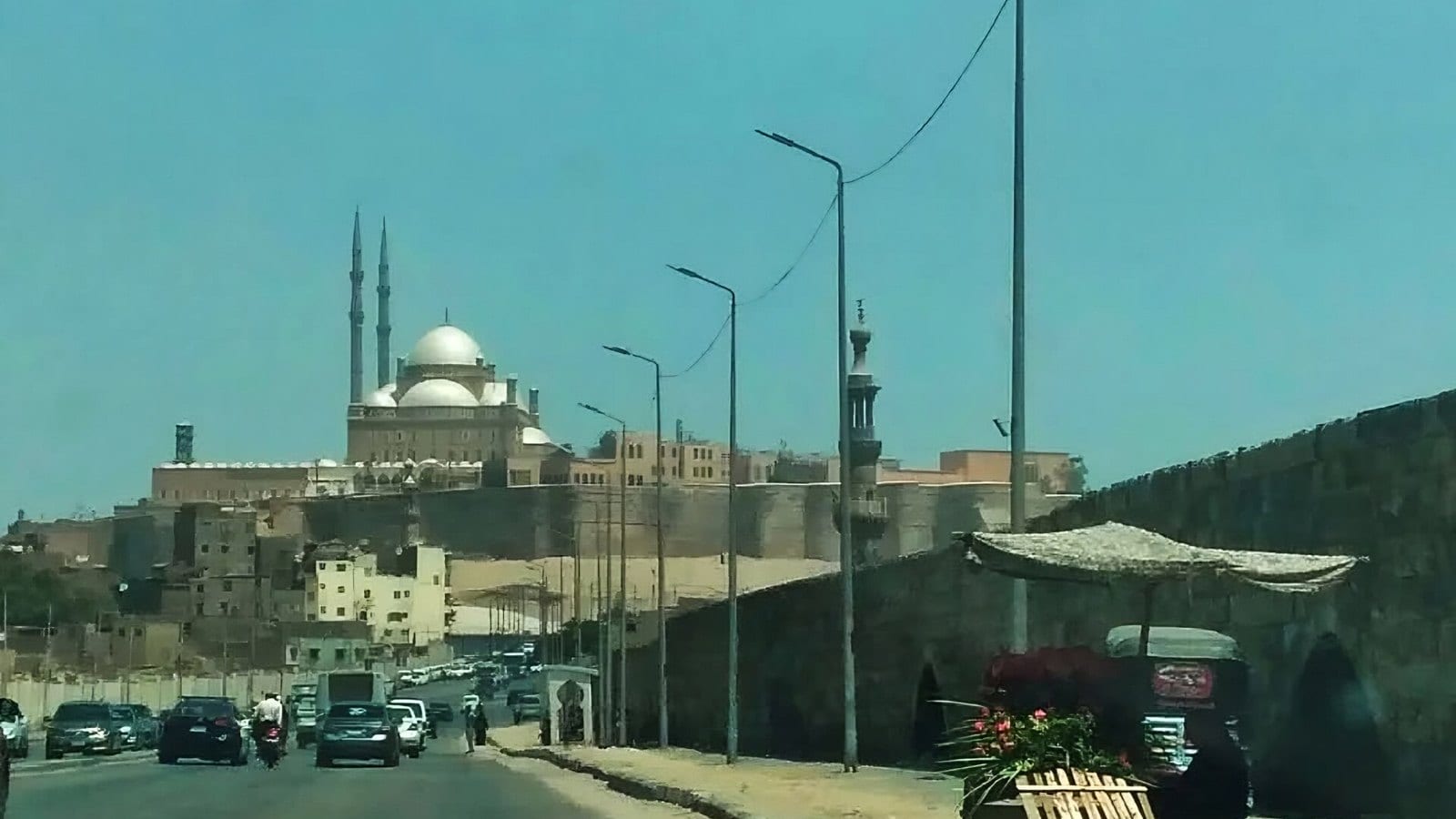
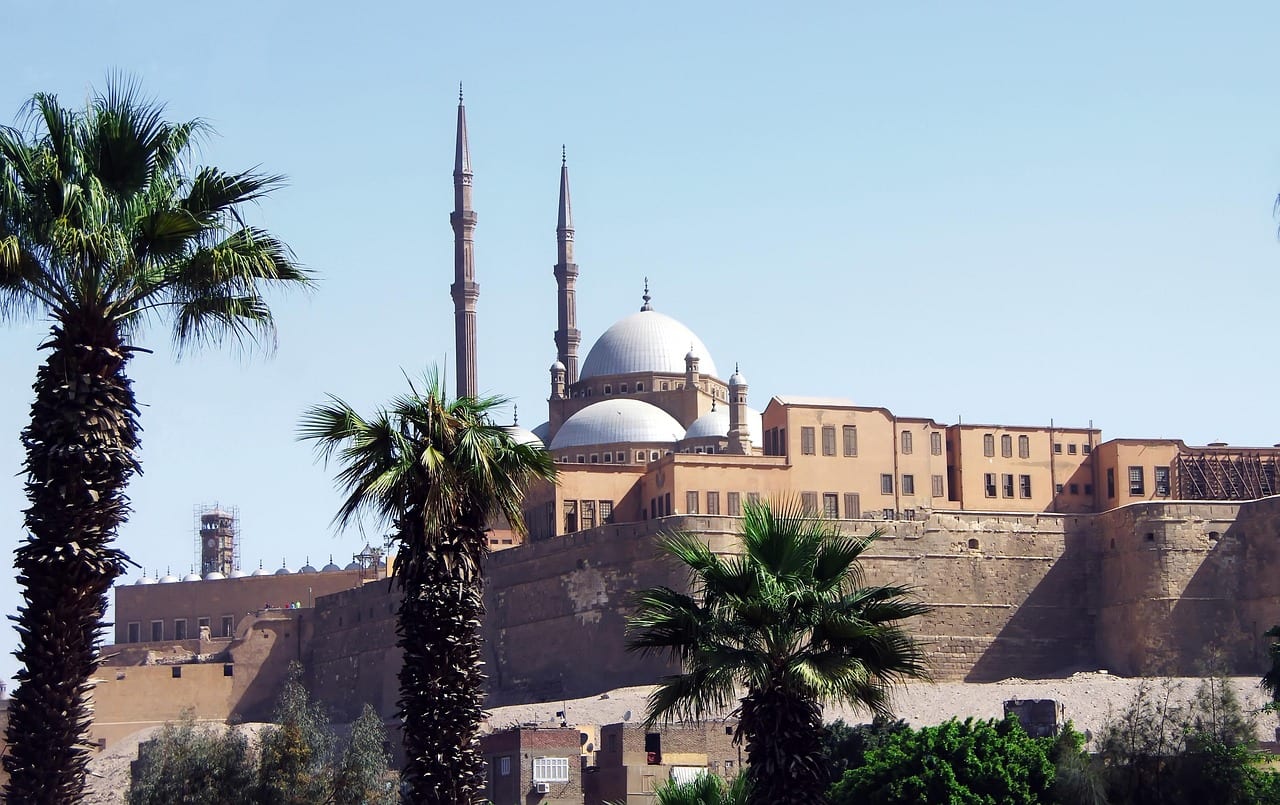
Egypt was ruled from this crag above the city for seven hundred years, and the view still earns the climb.
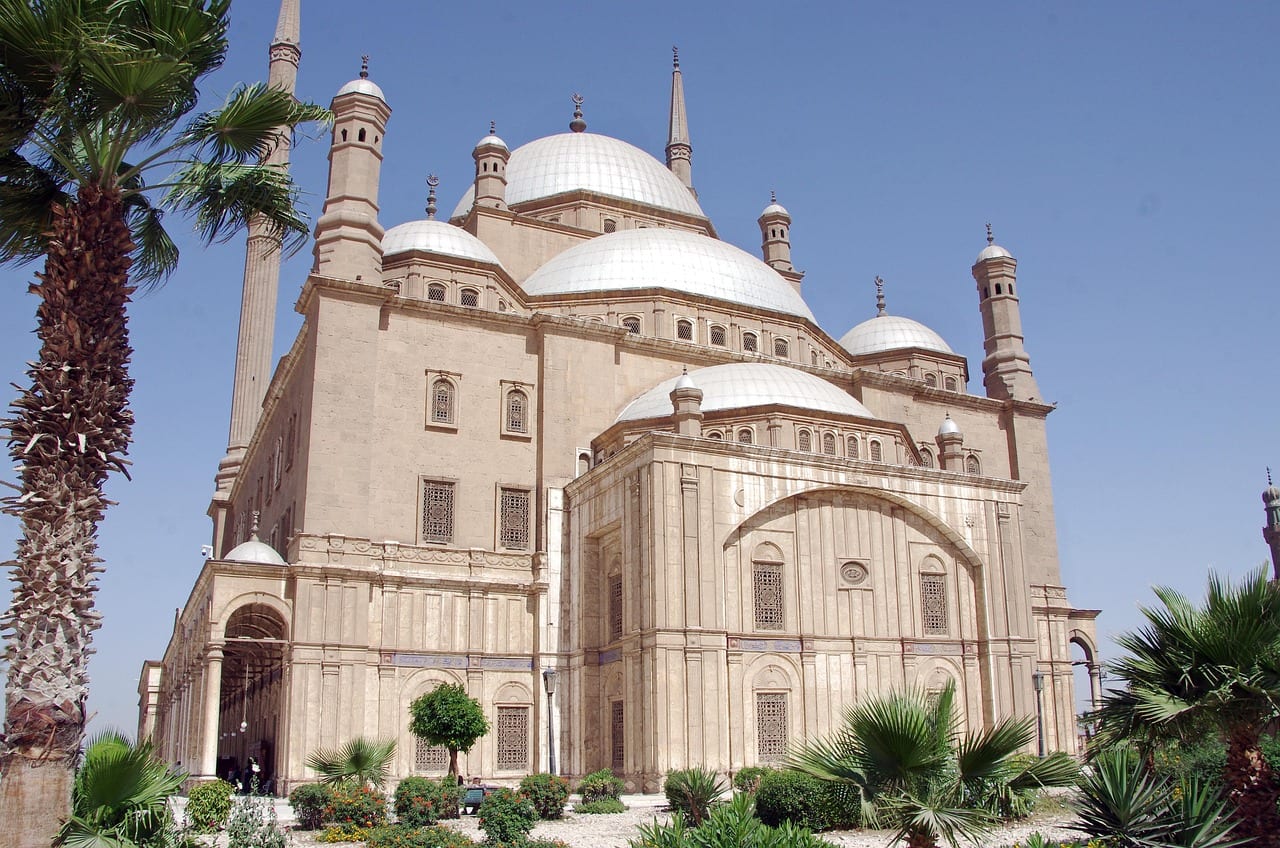
Saladin began the fortress in 1176, on a spur of the Muqattam hills that commands the whole city. Egyptian power then sat here for close to seven hundred years, Ayyubid to Mamluk to Ottoman, until Khedive Ismail moved down to Abdeen in the 1870s. Inside the walls stand three mosques from three eras: al-Nasir Muhammad's, Mamluk and fourteenth-century; Suleiman Pasha's, the first Ottoman mosque in Cairo; and Muhammad Ali's alabaster mosque, whose domes and pencil minarets have come to stand for the Cairo skyline although the building is not two centuries old. There are also several museums — army, police, court carriages — and an Ayyubid well cut in a spiral through the rock.
The extra bit
Save the Muhammad Ali mosque for last rather than first: everyone pours into it on arrival. Start with al-Nasir Muhammad, the oldest of the three, then walk out to the western terrace — on a clear day you can pick out the pyramids at the far end of the city.
Know before you go
Come up to the Citadel by taxi rather than on foot from Sayyida Zeinab. The compound is large and has almost no shade, and you walk from museum to museum in full sun: a hat and water are not optional. The ticket covers the site and its museums, but some close for restoration with no warning. In the mosques, shoes off, shoulders and knees covered; Muhammad Ali's is still used for prayer.