
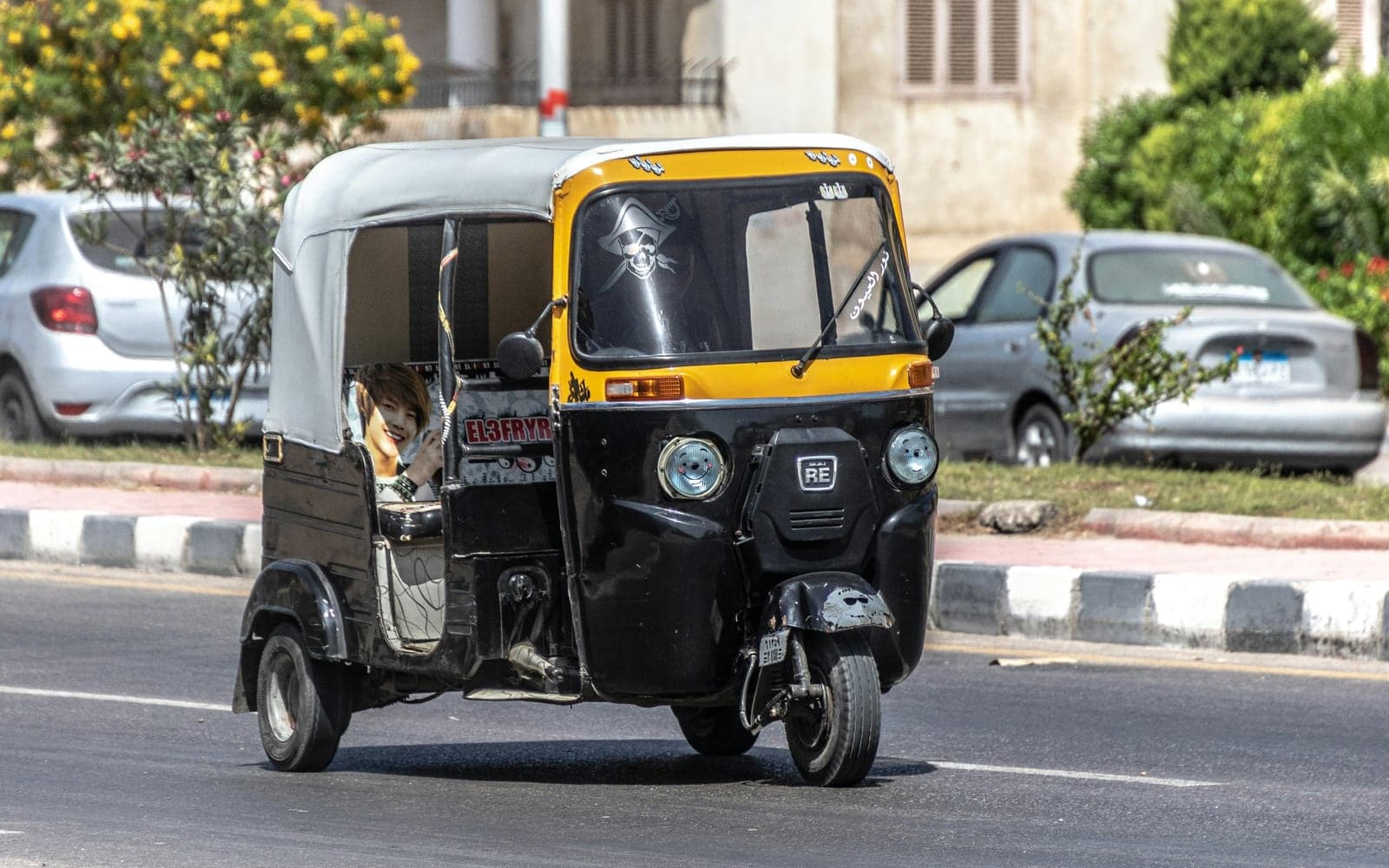
Uber and Careem: the default answer
Both apps work in Cairo, Giza, Alexandria and Hurghada. The price is set in advance, the route is tracked, and you don't have to argue — which is the main reason to prefer them to a street taxi.
- Pay cash if you prefer: it's offered by default and often simpler.
- Drivers often call to confirm the pickup point. If they don't speak English, drop a pin in the app chat.
- At rush hour (8–10am and 4–7pm) a 6 km trip can take an hour. Allow plenty of time, or take the metro.
Cairo's underrated metro
Three lines, a ticket costing a few pounds, and above all: it doesn't know about traffic. By far the fastest way to cross the city north–south, or to reach Downtown from Maadi.
- The two middle carriages are women-only until 9pm. Men who get it wrong are told to leave, briskly.
- Buy several tickets in advance: the ticket-window queue is the only real friction point.
- Sadat station = Tahrir Square and the Egyptian Museum. Al-Shohadaa = Ramses station for long-distance trains.
White taxis: fine, but with the rule
They have a meter and are supposed to use it. In practice, many will quote a flat fare to a visitor. Two options, neither wrong: insist on the meter ("addad, min fadlak"), or agree the price before getting in — but actually agree it, out loud, before the door shuts.
Between cities
- Cairo → Alexandria: train, 2h30 on the air-conditioned "Spanish" service. Far nicer than the road.
- Cairo → Luxor / Aswan: sleeper train (10–13 h) or a one-hour flight. The train is an experience, the plane is time saved.
- Sinai (Dahab, Sharm): fly to Sharm el-Sheikh then 1h30 by road, or the Go Bus from Cairo. Road checkpoints are frequent — keep your passport handy.