The oases and the Western Desert · Kharga
Kharga Oasis
An oasis of offices and fields, strung with temples and forts along an old caravan road.
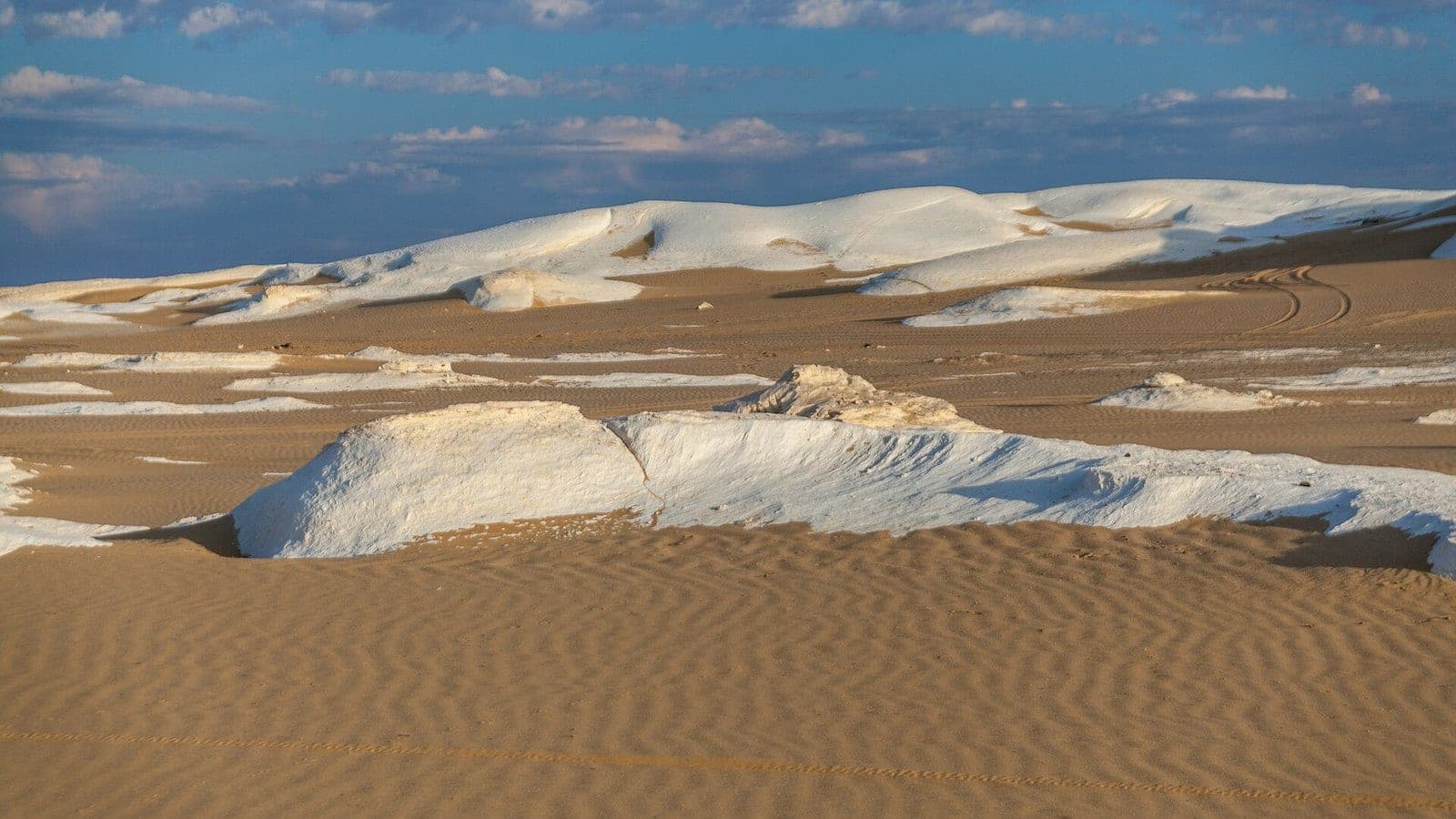
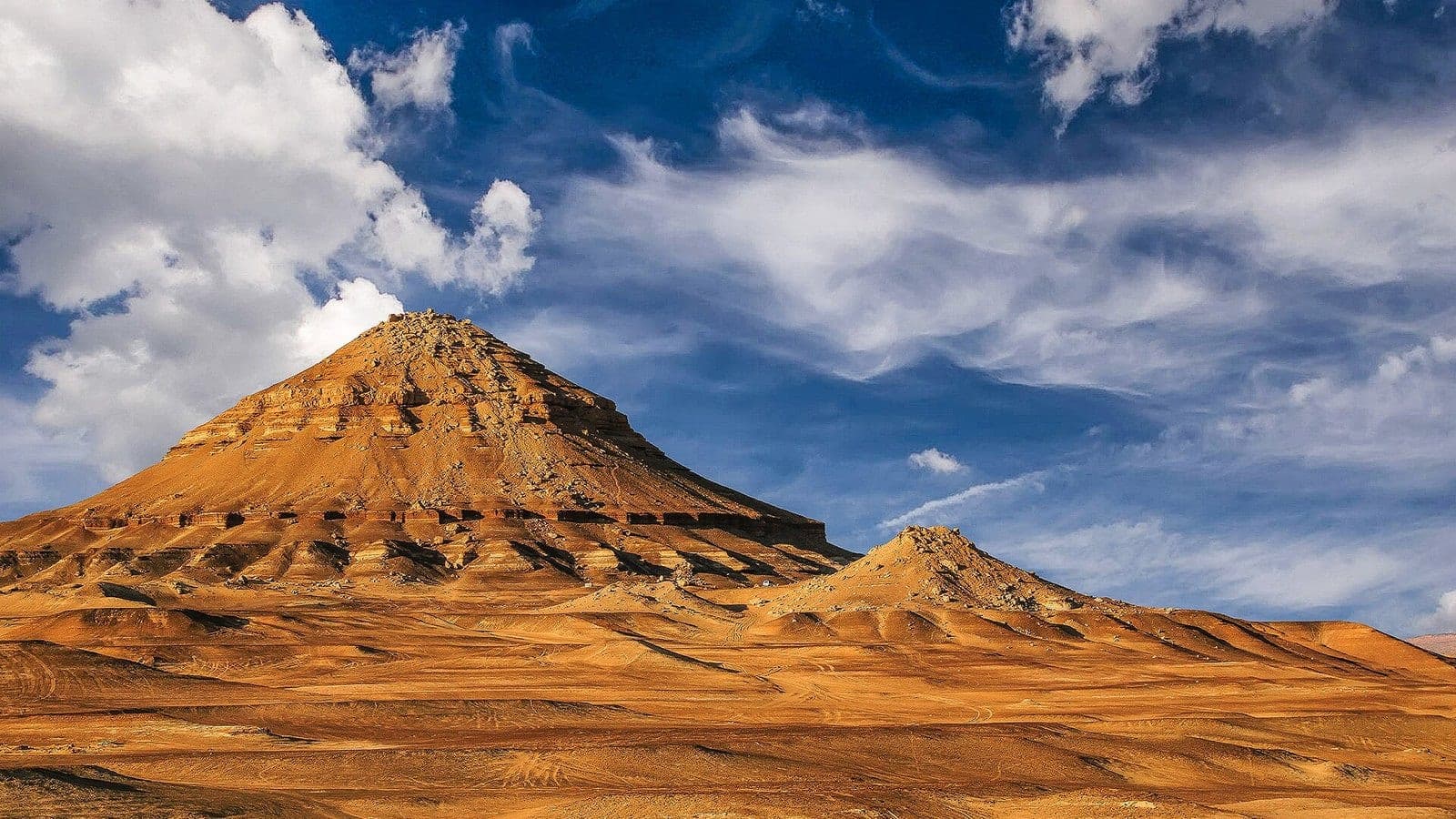
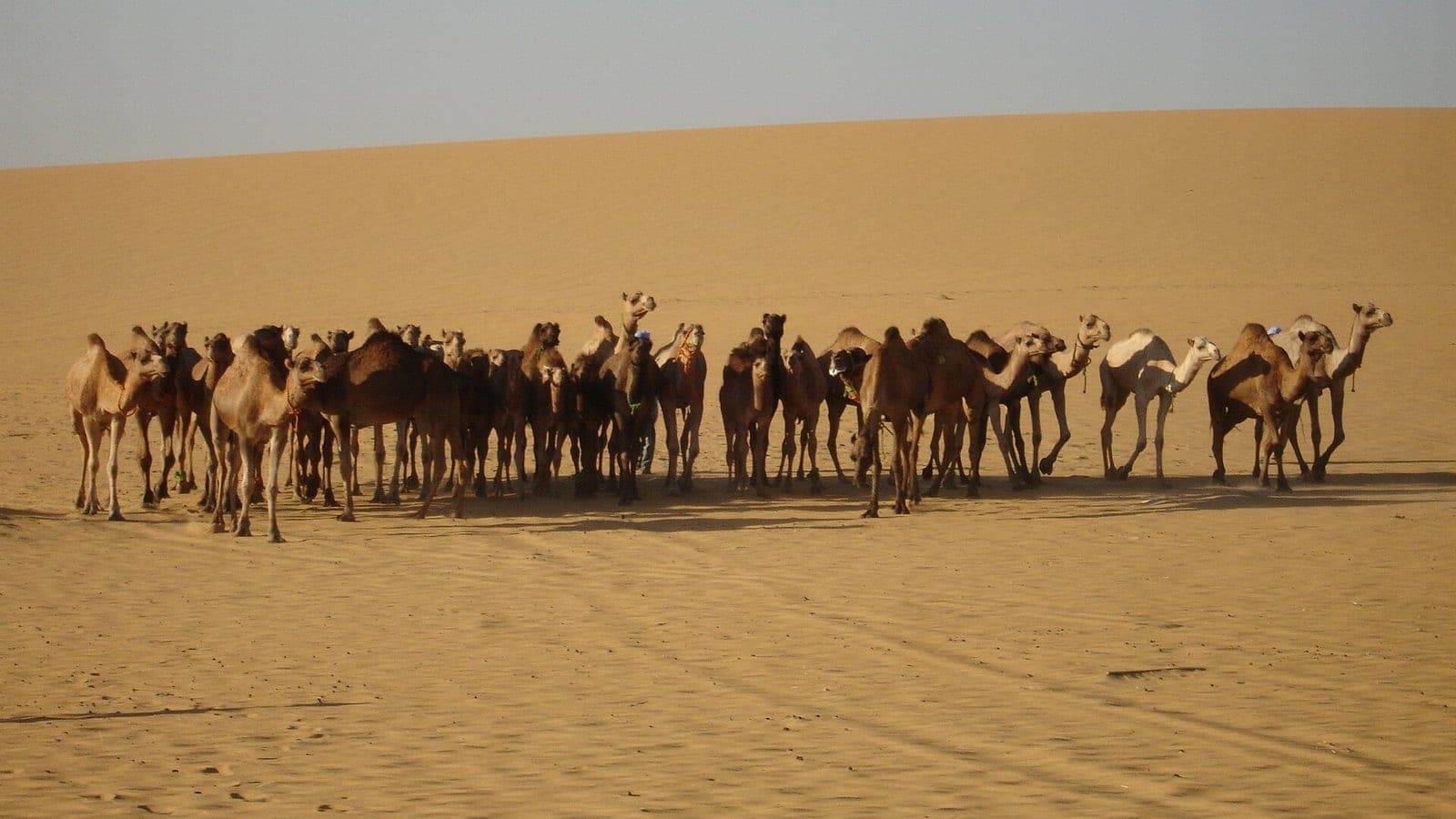
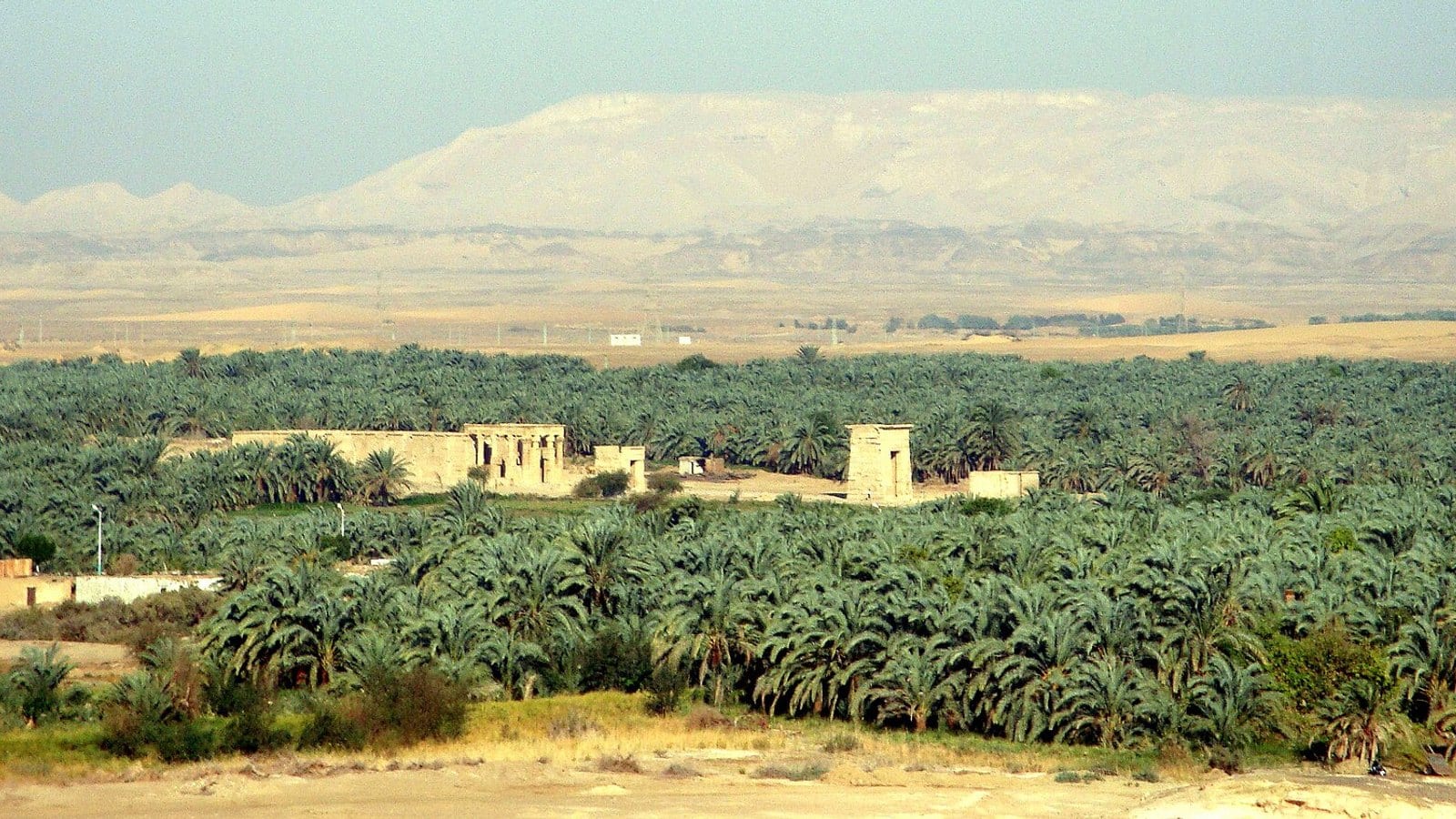
The Kharga depression opens on the eastern side of the Western Desert oases, and this is where the road climbs up from the Nile valley, on the Asyut side. The town of al-Kharga is new: government offices, wide avenues, low blocks, capital of the New Valley governorate, a product of the land-reclamation drive of the 1950s and 1960s. Around it, fields and palm groves live off deep wells drawing up fossil water, with sand at every margin. The history, meanwhile, lines up along the Darb el-Arbain, the old caravan track that came up from Darfur towards the valley: the temple of Hibis, built under Persian rule and attributed to Darius, a string of mud-brick forts including Qasr el-Ghueita and Qasr el-Zayyan, and the necropolis of al-Bagawat north of the town.
The extra bit
Hire a car with a driver for the day from al-Kharga: the sites are strung out over tens of kilometres and no public transport joins them up. Start to the south, with Ghueita and Zayyan, while the light is still low; Hibis and the necropolis of al-Bagawat are north of the town.
Know before you go
The oasis lives off its administration and its fields rather than off visitors: hotels are few and kitchens close early, so do not put dinner off. There are cash machines in town, but they can be empty: keep notes for tickets and for the driver. In summer the heat on the floor of the depression rules out walking from the middle of the day until late afternoon; in winter the nights are cold. The outlying forts, Labekha and Umm Dabadib, sit at the end of desert tracks: ask your hotel, or the ticket window of the site in town, whether they are open and what vehicle is needed, because this guide cannot vouch for the state of those tracks.