Photo : Hatem Moushir — CC BY-SA 4.0, Wikimedia Commons
Aswan · Nile
Elephantine Island
The island in mid-river: two Nubian villages, ruins, and the nilometer that set the tax.
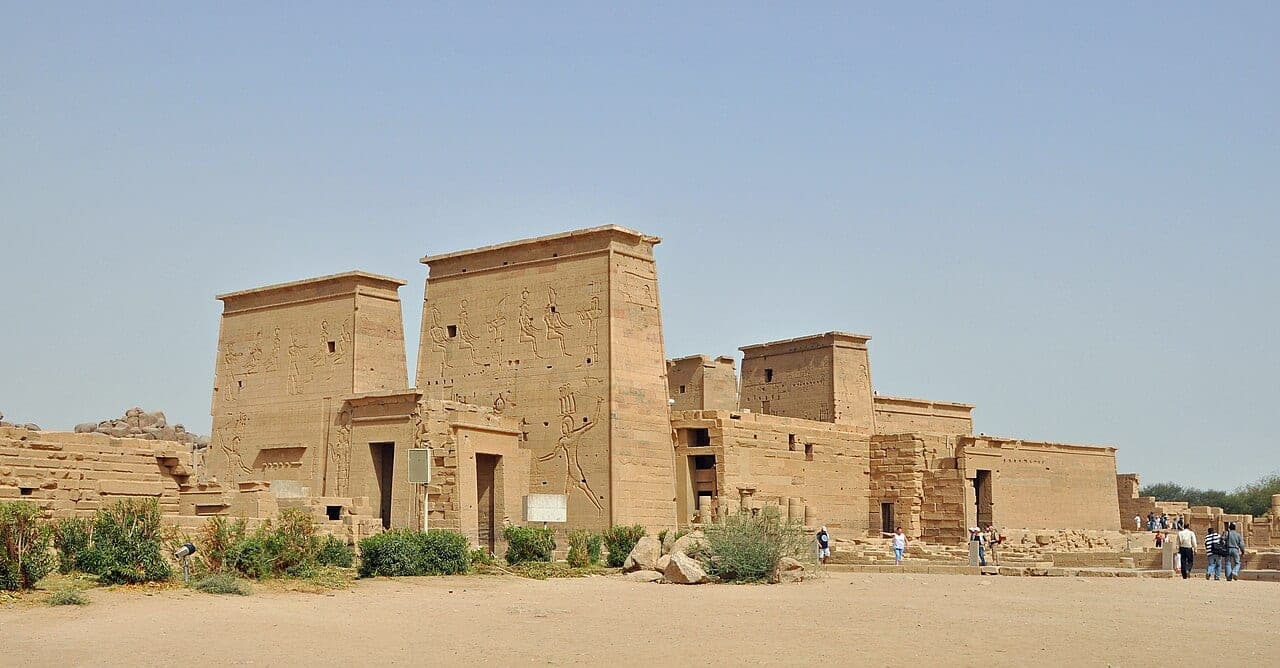
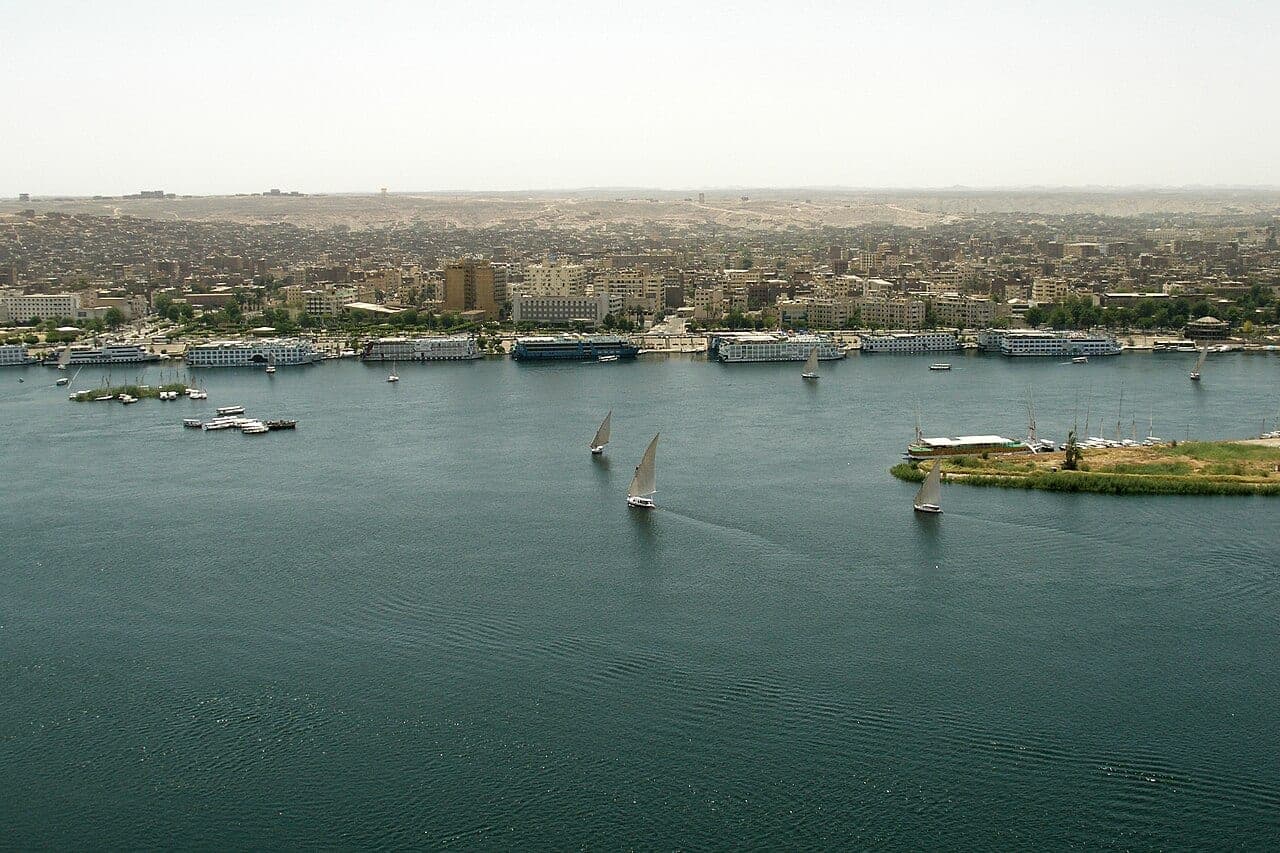
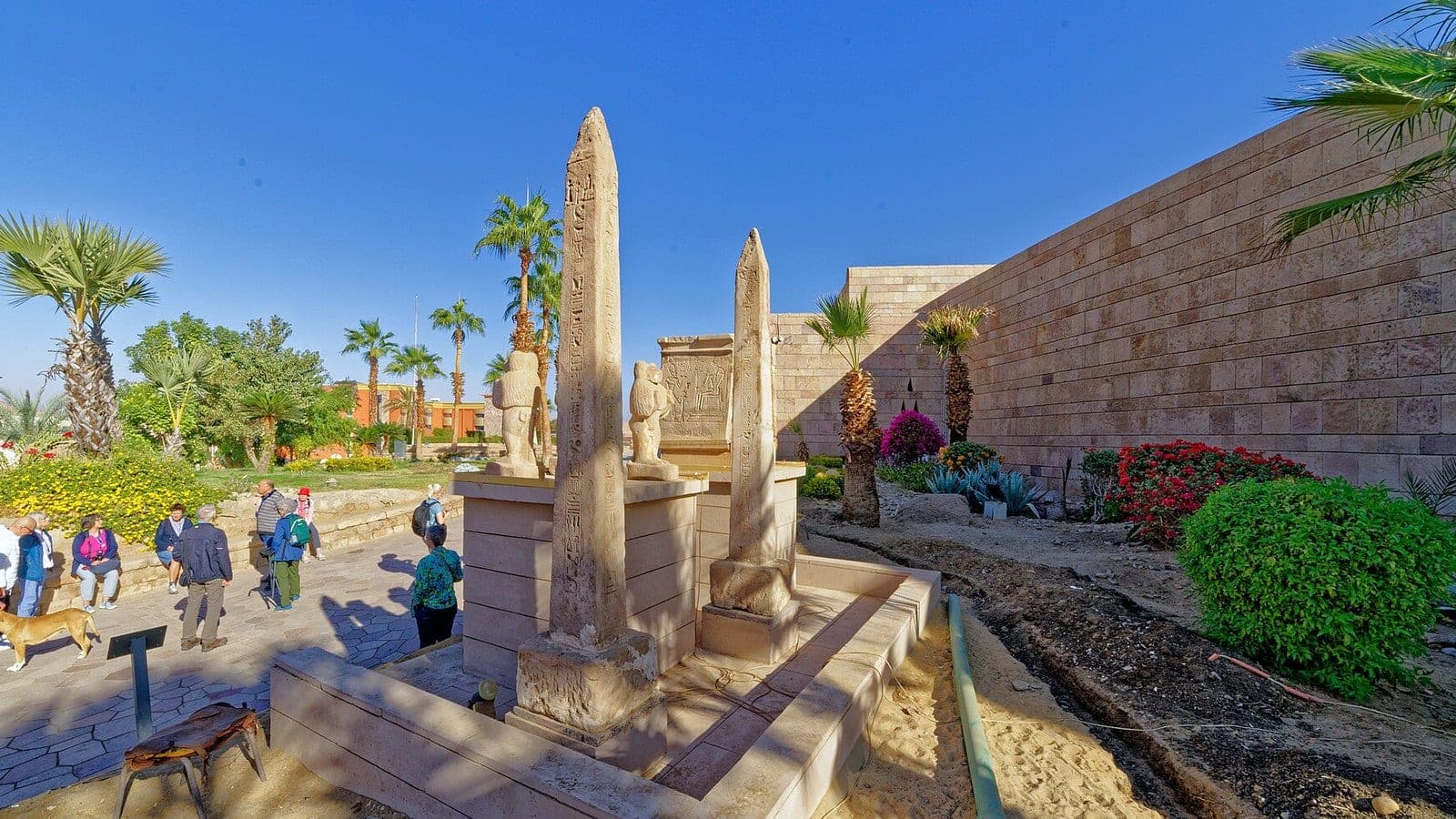
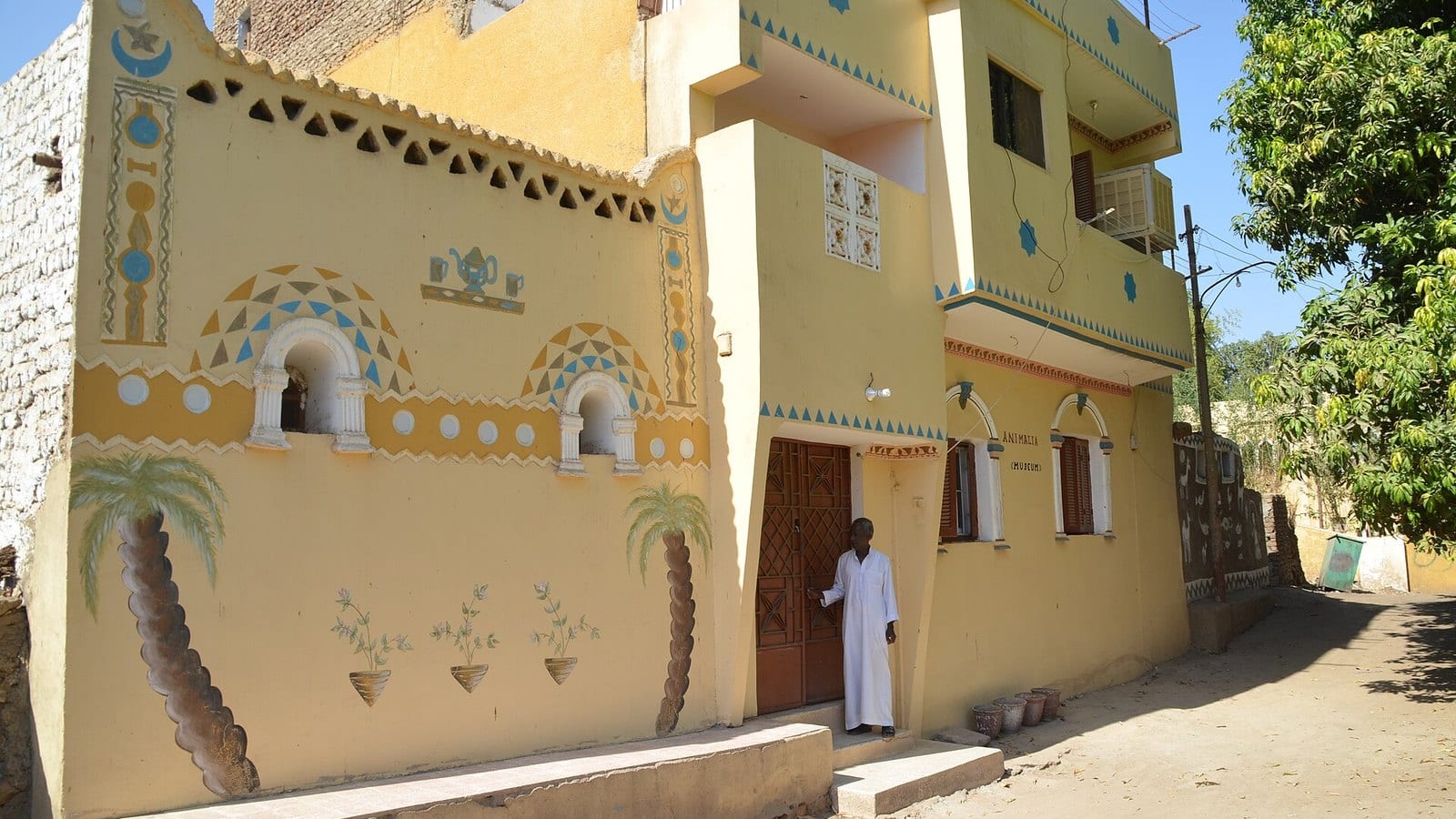
The island fills the middle of the Nile in front of the corniche, and you cross it on foot. It was called Abu, "the elephant", and long served as Egypt's southern frontier and the crossing point towards Nubia; the god honoured here was Khnum, the ram-headed guardian of the first cataract. In the archaeological enclosure to the south, centuries of temples and houses lie on top of one another, along with the nilometer cut into the rock: its steps and markings were used to read the level of the flood, on which the year's tax depended. To the north are two Nubian villages, Siou and Koti, lanes climbing between the houses a few steps from the excavations: you are walking through a lived-in neighbourhood, not across a site.
The extra bit
Take the public ferry from the corniche rather than a private boat: a few minutes, a fixed price, and it lands you on the village side. One crossing in the morning, another late in the day, when the light drops onto the sand of the far bank.
Know before you go
The archaeological enclosure has its own ticket, separate from the crossing; the island museum is not always open. The villages are lived in: ask before photographing a house or a face. Don't count on finding a cash machine on the island, and shops are few: bring cash and water.